
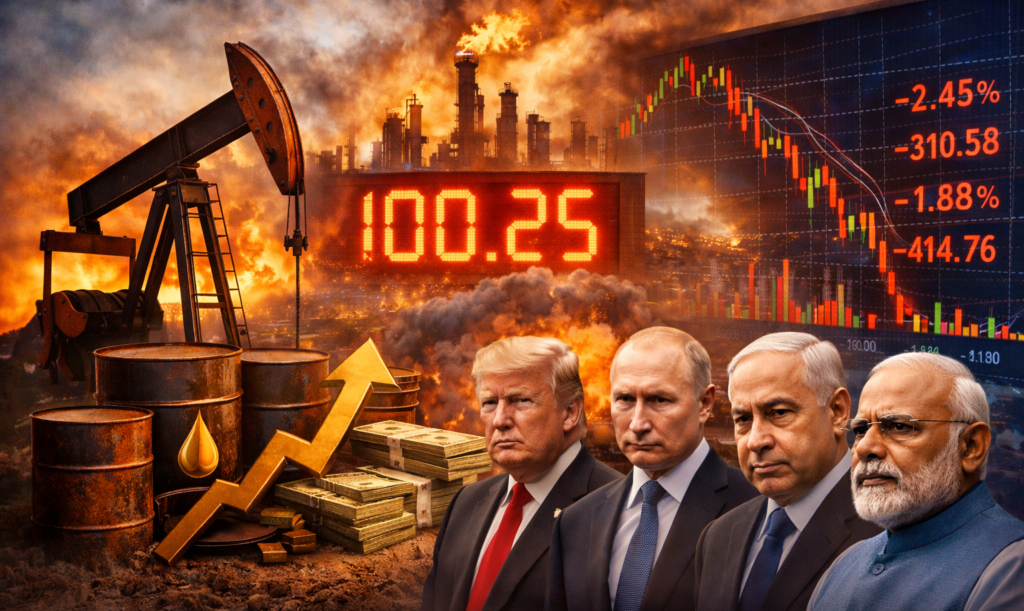

The global financial markets are once again facing uncertainty as rising geopolitical tensions in the Middle East push crude oil prices higher. Investors across the world are closely watching developments involving Iran and the strategically important Strait of Hormuz, one of the busiest oil transit routes on the planet. As fears of supply disruptions increase, global stock markets, currencies, and inflation expectations are reacting sharply.
The recent spike in oil prices has become one of the most discussed finance stories globally on May 9, 2026. Economists, investors, governments, and businesses are all preparing for the possible economic consequences of prolonged instability in the energy market.
Why Oil Prices Are Rising in 2026
Oil prices have surged primarily because of escalating tensions in the Middle East. The region plays a critical role in global energy supply, and even small disruptions can create panic in international markets.
Several factors are contributing to the current price increase:
- Concerns over military conflict involving Iran
- Threats to shipping routes in the Strait of Hormuz
- Fear of reduced crude oil exports
- Increased global demand for energy
- Investor speculation in commodity markets
The Strait of Hormuz is especially important because nearly one-fifth of the world’s oil passes through this narrow waterway. Any disruption there can immediately impact global oil supply chains.
How the Strait of Hormuz Affects Global Markets
A Key Global Oil Route
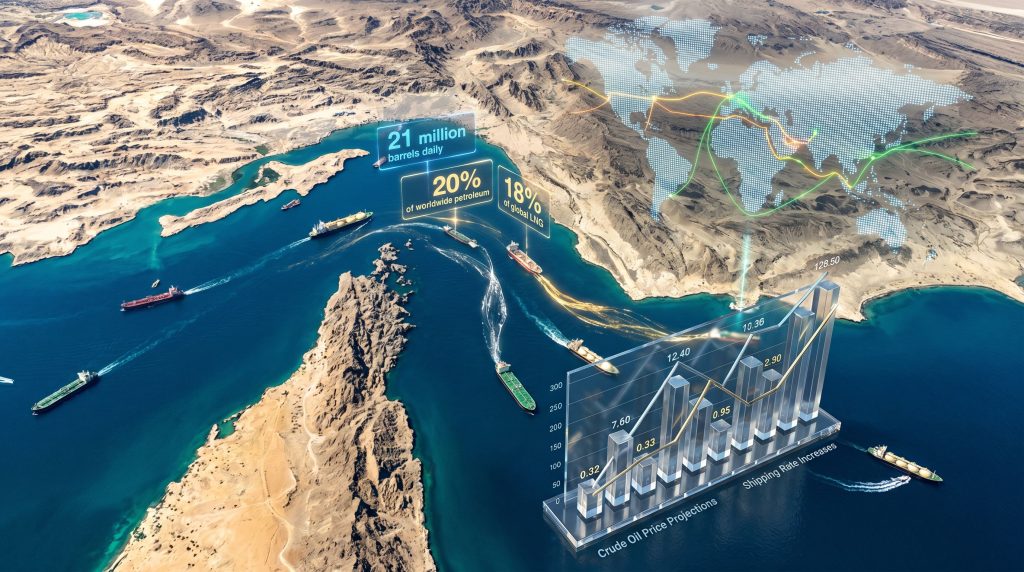
The Strait of Hormuz connects the Persian Gulf to international waters and serves as a major shipping lane for oil-exporting countries such as Saudi Arabia, Iraq, Kuwait, and the United Arab Emirates.
If geopolitical tensions escalate further, shipping activities may slow down or become risky for international energy companies. This possibility alone is enough to drive oil prices upward.
Investor Fear and Market Volatility
Financial markets dislike uncertainty. Whenever geopolitical risks increase, investors tend to move their money away from risky assets like stocks and toward safer investments such as:
- Gold
- Government bonds
- U.S. dollar assets
- Defensive sectors
This shift often causes stock markets to become highly volatile.
Rising Oil Prices and Global Inflation Concerns
Fuel Costs Impact Everything
Higher crude oil prices eventually affect transportation, manufacturing, logistics, and consumer goods. Since fuel is essential for almost every industry, rising energy costs increase overall business expenses.
As companies face higher operating costs, they often pass these expenses on to consumers through price increases.
This creates inflationary pressure across economies worldwide.
Food and Transportation Prices Could Rise

One of the biggest concerns for consumers is the potential increase in daily living costs. Rising oil prices can directly impact:
- Petrol and diesel prices
- Airline ticket costs
- Food transportation expenses
- Electricity and energy bills
- Product delivery charges
If oil prices continue climbing, inflation may remain elevated for a longer period than expected.
Central Banks May Delay Interest Rate Cuts
Inflation Changes Monetary Policy
Many central banks, including the U.S. Federal Reserve and the European Central Bank, were expected to reduce interest rates in 2026 after inflation started cooling earlier in the year.
However, the recent oil price spike may change those plans.
If inflation rises again due to energy costs, central banks could:
- Delay rate cuts
- Keep borrowing costs higher
- Tighten monetary policy further if necessary
This could affect loans, mortgages, and overall business investments globally.
Why Investors Are Nervous
Investors fear that prolonged high interest rates could slow economic growth. Technology stocks and growth-focused companies are especially sensitive to higher borrowing costs.
As a result, markets may continue experiencing sharp movements in the coming weeks.
Impact on Global Stock Markets
Energy Stocks Are Benefiting
While many sectors struggle during rising oil prices, energy companies often see strong gains. Oil producers, refinery businesses, and energy exporters may experience increased profits during periods of high crude prices.
Global investors are actively monitoring:
- Oil and gas companies
- Energy ETFs
- Commodity-related stocks
- Infrastructure firms
Technology and Consumer Stocks Face Pressure
On the other hand, sectors dependent on consumer spending may face challenges. Higher fuel and living costs reduce disposable income, which can negatively impact retail and technology demand.
Market analysts believe volatility may continue until geopolitical tensions ease.
India’s Financial Markets React to Global Oil Surge
India is one of the world’s largest oil-importing nations. Rising crude oil prices directly impact the Indian economy in several ways.
Pressure on the Rupee
When oil becomes expensive, India spends more foreign currency on imports. This can weaken the Indian rupee against the U.S. dollar.
A weaker rupee may increase import costs further and create additional inflationary pressure.
Impact on Indian Consumers
Indian consumers could experience:
- Higher petrol and diesel prices
- Increased transportation costs
- More expensive groceries
- Rising manufacturing costs
Sectors such as aviation, logistics, and transportation are likely to feel the strongest impact.
Indian Stock Market Volatility
The Sensex and Nifty have shown increased volatility due to global uncertainty. Investors are becoming cautious while monitoring crude oil prices and international developments.
However, some Indian energy and infrastructure companies may benefit if oil prices remain elevated.
Gold and Safe-Haven Assets Gain Popularity
Investors Seek Stability
Whenever geopolitical risks rise, investors typically move toward safe-haven investments. Gold prices have recently gained momentum as traders seek protection against market uncertainty and inflation.
Government bonds and defensive sectors are also attracting increased investor interest.
Cryptocurrency Market Reaction
The cryptocurrency market has shown mixed reactions. Some investors see Bitcoin as digital gold, while others still consider crypto assets risky during periods of global instability.
Volatility remains high across both traditional and digital markets.
What Could Happen Next?
The future direction of financial markets depends largely on geopolitical developments in the Middle East.
Possible scenarios include:
Scenario 1 – Tensions Ease
If diplomatic negotiations reduce tensions, oil prices could stabilize, helping global inflation concerns cool down again.
Markets may recover strongly under this situation.
Scenario 2 – Conflict Escalates
If conflict intensifies or oil supply routes become disrupted, crude prices could rise significantly higher.
This may trigger:
- Higher global inflation
- Slower economic growth
- Market corrections
- Increased recession fears
Investors worldwide are carefully monitoring every update.
Key Financial Trends Investors Should Watch in 2026
Several major themes are shaping the global financial landscape right now:
- Oil market volatility
- Geopolitical uncertainty
- Inflation risks
- Interest rate expectations
- Energy sector performance
- Safe-haven investment demand
- Global supply chain concerns
Understanding these trends can help investors make smarter financial decisions during uncertain times.
Final Thoughts
The surge in oil prices amid growing Middle East tensions has become one of the most important global finance stories of 2026. With fears surrounding Iran and the Strait of Hormuz increasing, markets are reacting quickly to every geopolitical development.
Higher crude oil prices are not just affecting energy markets — they are influencing inflation, interest rates, stock markets, currencies, and consumer spending worldwide.
As governments, investors, and businesses prepare for potential economic challenges ahead, global financial markets are likely to remain volatile in the near future. Staying informed and monitoring geopolitical events closely will be essential for navigating the rapidly changing financial environment in 2026.