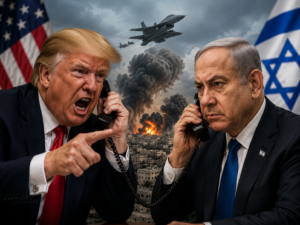
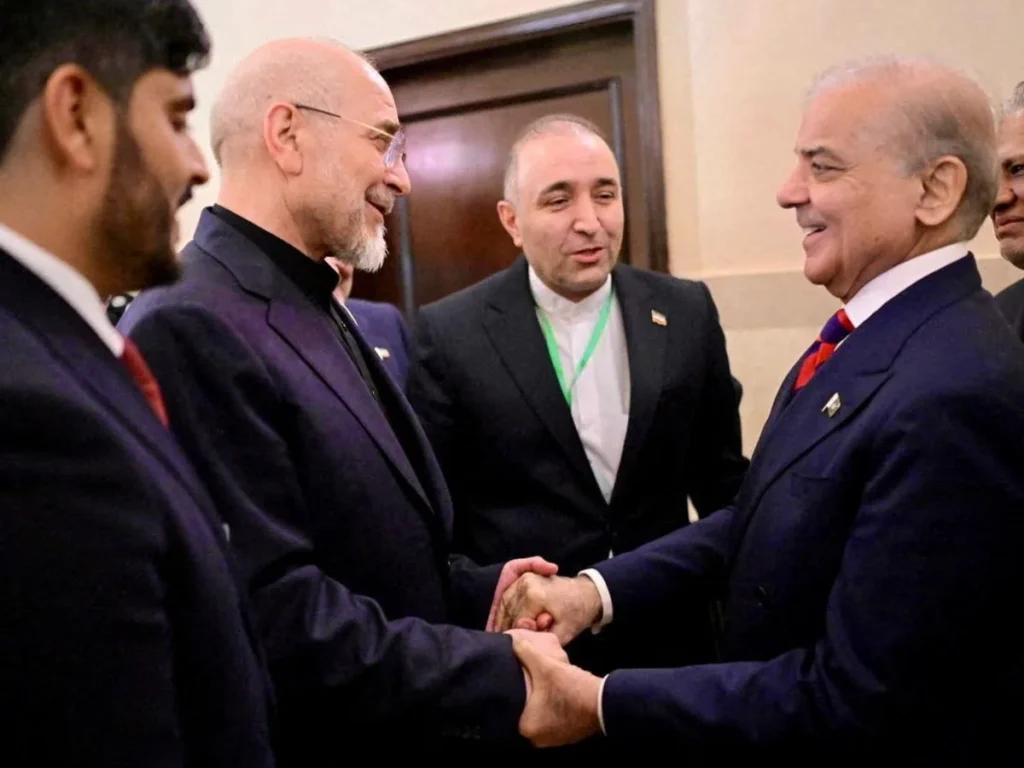

Rising diplomatic activity between the United States and Iran has captured worldwide attention as reports suggest both countries are moving closer toward a possible peace framework. International observers say Pakistan could soon host another major round of negotiations aimed at reducing tensions in the strategically important Strait of Hormuz.
The latest developments come after months of geopolitical uncertainty, military posturing, economic disruptions, and concerns about global energy security. Several international media outlets reported that indirect diplomatic discussions have intensified in recent days, with regional mediators attempting to prevent a wider conflict in the Middle East.
Why the U.S.–Iran Situation Matters to the World
The relationship between the United States and Iran has remained tense for decades. Disagreements over sanctions, nuclear activities, regional influence, and military operations have repeatedly pushed both countries toward dangerous confrontations.
In 2026, tensions increased sharply after conflicts involving regional allies expanded across the Middle East. Concerns became even more serious when shipping disruptions affected the Strait of Hormuz, one of the world’s most critical oil transit routes.
The global economy depends heavily on stable oil transportation through this narrow waterway. Any instability in the region immediately impacts international fuel prices, stock markets, shipping costs, and investor confidence.
Analysts say that even temporary disruptions in the Strait of Hormuz can create panic across financial markets because nearly one-fifth of the world’s oil supply moves through the route.
Pakistan Emerges as a Key Diplomatic Mediator
One of the most surprising developments in the ongoing crisis is the growing role of Pakistan as a diplomatic bridge between Washington and Tehran.
Reports indicate that Pakistani officials have actively communicated with both sides in recent weeks. Islamabad has reportedly offered proposals focused on ceasefire arrangements, shipping security, sanctions discussions, and future regional cooperation.
Why Pakistan Is Involved
Pakistan maintains important relationships with both the United States and Iran. Because of its geographic position and political connections, it has become a useful intermediary during periods of regional instability.
Diplomatic sources suggest Pakistan has been attempting to:
- Reduce the risk of military escalation
- Protect regional trade routes
- Stabilize energy markets
- Prevent a wider Middle East conflict
- Encourage long-term diplomatic negotiations
International observers believe Pakistan’s involvement could improve communication between both sides at a time when direct trust remains extremely limited.
Strait of Hormuz Remains the Central Issue
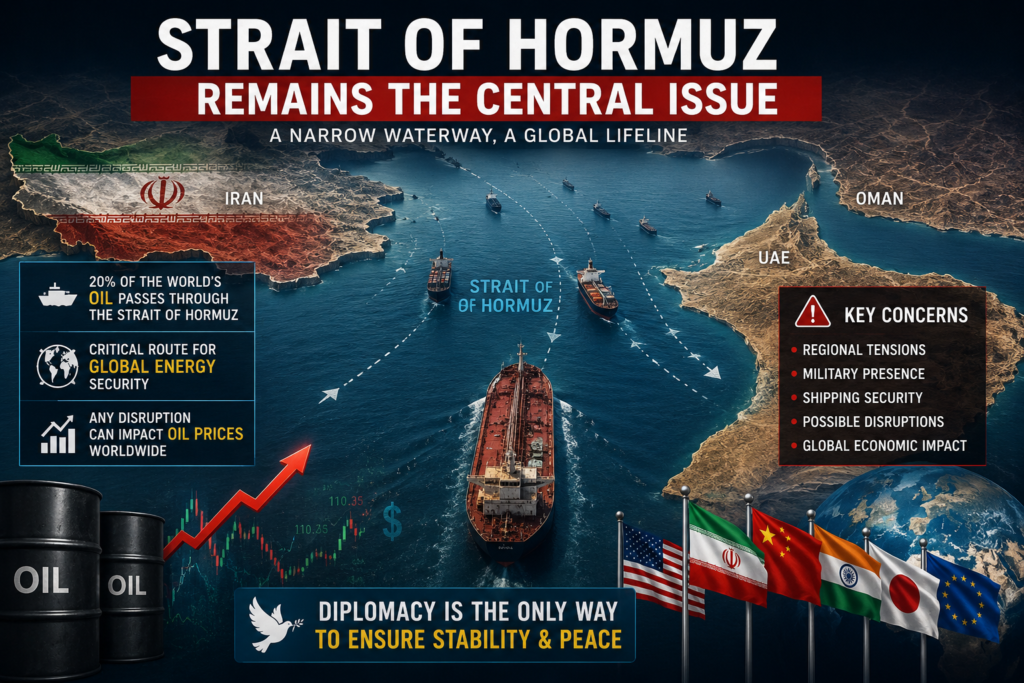
The Strait of Hormuz has become the main focus of current negotiations.
Why the Strait Is So Important
The waterway connects the Persian Gulf with global shipping lanes and is considered one of the most strategically valuable locations in international trade.
Countries including China, India, Japan, South Korea, and several European nations depend heavily on oil transported through this region. Any closure or military disruption creates immediate economic consequences worldwide.
Recent reports suggested that military activities and shipping restrictions in the area triggered fears of supply shortages and rising crude oil prices.
Shipping Security Concerns Continue
Security concerns in the region have increased significantly over recent months. Oil tankers, cargo vessels, and commercial shipping companies have faced uncertainty regarding safe passage through the strait.
Insurance costs for maritime companies have also risen because of fears that escalating tensions could threaten international shipping operations.
Several governments have called for immediate diplomatic solutions to ensure the route remains open and stable.
Reports Suggest Progress in Peace Negotiations
Recent statements from political leaders and media reports indicate that discussions may be moving toward a possible agreement.
According to Reuters and other international sources, diplomatic negotiations involving the United States, Iran, and regional mediators have shown “encouraging progress.”
Possible Elements of the Agreement
- A ceasefire extension
- Reopening full shipping access in the Strait of Hormuz
- Reduction of military activities
- Future nuclear negotiations
- Gradual sanctions discussions
- Regional security guarantees
Some reports also claim that draft memorandums and temporary frameworks are already being exchanged through mediators.
Nuclear Program Still a Major Obstacle
Despite growing diplomatic momentum, Iran’s nuclear activities remain one of the biggest obstacles to a final agreement.
U.S. Position on Nuclear Activities
American officials continue to insist that Iran must not develop nuclear weapons capabilities. Washington has repeatedly emphasized that future agreements must include strict monitoring measures and limitations related to uranium enrichment.
Iran’s Response
Iran has consistently denied pursuing nuclear weapons while defending what it describes as its sovereign right to peaceful nuclear development.
Iranian leaders have also expressed distrust toward American commitments because previous agreements collapsed amid political disputes and sanctions policies.
Diplomatic analysts believe this issue could become the most difficult part of any final peace settlement.
Global Markets Watching Every Development

Financial markets across the world are closely following every update related to the negotiations.
Oil Prices React to Diplomatic Signals
Oil markets have shown sharp reactions whenever new reports emerge about progress or setbacks in the talks.
Positive diplomatic headlines often lower fears of supply disruptions, while reports of military escalation quickly trigger price increases.
Energy experts say stability in the Strait of Hormuz remains essential for keeping global fuel prices under control.
Investor Confidence Depends on Stability
Investors are also monitoring the situation because prolonged instability could affect:
- Global inflation
- Transportation industries
- Manufacturing costs
- Airline operations
- International shipping companies
- Stock market performance
Economic uncertainty linked to geopolitical tensions often creates broader concerns for businesses worldwide.
International Powers Support Diplomatic Resolution
Several international governments and organizations are encouraging peaceful negotiations rather than military escalation.
Countries in Europe, Asia, and the Middle East have publicly supported diplomatic efforts aimed at restoring regional stability.
Gulf Nations Seek Regional Calm
Middle Eastern governments are particularly concerned about the economic and security consequences of prolonged conflict.
Many Gulf nations depend heavily on uninterrupted trade routes and stable energy exports. Regional leaders have reportedly participated in backchannel communications supporting de-escalation efforts.
Public Reactions and Global Social Media Attention
The possibility of a U.S.–Iran peace agreement has also generated massive discussion online.
Social media users across multiple platforms are debating whether diplomacy can truly succeed after years of hostility between the two nations.
Mixed Reactions Online
Some users believe negotiations represent a historic opportunity for peace and economic recovery. Others remain skeptical because previous diplomatic efforts failed to produce lasting stability.
Online discussions have focused heavily on:
- Oil prices
- Nuclear negotiations
- Middle East security
- Pakistan’s role in diplomacy
- Global economic impact
- Military tensions in the Gulf region
Reddit discussions and online geopolitical communities show cautious optimism mixed with significant skepticism about whether both sides can fully trust each other.
Challenges That Could Still Derail the Talks
Even though diplomatic momentum appears stronger than before, experts warn that the negotiations remain fragile.
Key Risks Ahead
Several issues could still disrupt the peace process:
Political Pressure Inside Both Countries
Leaders in both the United States and Iran face domestic political pressure from groups opposing compromise.
Military Incidents in the Region
Any unexpected military confrontation involving regional allies could rapidly destabilize negotiations.
Disagreements Over Sanctions
Economic sanctions remain a major point of disagreement between Washington and Tehran.
Nuclear Verification Concerns
Monitoring and verification systems related to Iran’s nuclear activities may become highly contentious during final negotiations.
What Happens Next?
Diplomatic insiders believe the coming weeks could become critical for determining whether negotiations succeed or collapse.
Reports suggest mediators are continuing intensive discussions behind closed doors, with additional meetings potentially taking place in Pakistan soon.
If successful, a peace framework could significantly reduce tensions across the Middle East and stabilize global energy markets. However, analysts caution that major disagreements still remain unresolved.
For now, governments, investors, and global citizens are closely watching every development as one of the world’s most sensitive geopolitical crises enters a potentially historic phase.