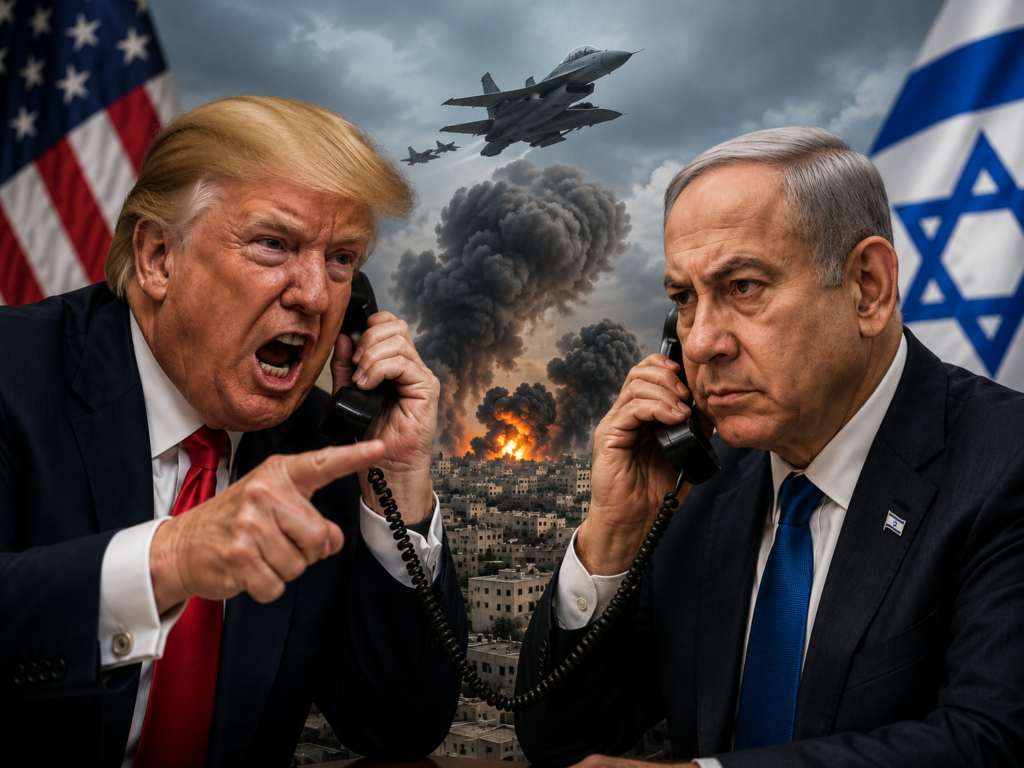

The Middle East has once again become the center of global attention after reports emerged that former U.S. President Donald Trump allegedly reacted angrily to Israeli Prime Minister Benjamin Netanyahu over discussions surrounding a possible resumption of bombing operations in Beirut. The development has sparked widespread debate among political analysts, diplomats, and international observers, who view the incident as another sign of growing tensions within a region already facing multiple security challenges.
While official details remain limited, reports suggest that the disagreement centered on concerns about escalating military actions in Lebanon and the potential consequences for regional stability. The incident has quickly become one of the most discussed geopolitical stories, drawing attention from governments and citizens worldwide.
Why the Reported Trump-Netanyahu Exchange Is Making Headlines
The reported exchange between Donald Trump and Benjamin Netanyahu has attracted significant media attention because both leaders have historically shared a close political relationship. During Trump’s presidency, the United States and Israel maintained strong diplomatic ties, with several major policy decisions strengthening cooperation between the two nations.
However, recent reports indicate that differences may be emerging over how regional conflicts should be managed, particularly regarding military operations that could increase tensions across the Middle East.
Historical U.S.-Israel Relations
Political observers note that any disagreement involving influential figures such as Trump and Netanyahu can have broader implications for international diplomacy, especially when discussions involve sensitive security matters.
Why Global Media Is Watching Closely
The involvement of two globally recognized political leaders has elevated the story into a major international headline, drawing scrutiny from governments, investors, and policy experts alike.
Growing Concerns Over Beirut and Lebanon
Beirut, the capital of Lebanon, remains a highly sensitive location in Middle Eastern politics. The city has experienced periods of instability over the years, and any suggestion of renewed military action raises concerns about civilian safety, humanitarian consequences, and regional security.
Potential Risks of Escalation
Experts warn that renewed hostilities could:
- Increase regional tensions.
- Trigger diplomatic disputes among neighboring countries.
- Lead to humanitarian challenges.
- Affect international efforts aimed at maintaining stability.
- Create economic uncertainty across the region.
Why Beirut Matters
These concerns have contributed to heightened global interest in the reported disagreement and its potential implications for the wider Middle East.
Strategic Importance of Lebanon’s Capital
As a major political, economic, and cultural center, Beirut plays a crucial role in regional affairs. Any instability there can influence neighboring countries and international diplomatic efforts.
The Strategic Importance of Beirut
A Key Political and Economic Center
Beirut serves as an important hub for:
- Regional trade networks.
- Diplomatic engagement.
- Financial activities.
- Humanitarian operations.
- Cultural and educational exchanges.
Because of this strategic importance, developments involving Beirut are closely monitored by governments and international organizations.
Impact on Regional Stability
Military operations near major urban centers often create uncertainty that extends beyond national borders.
Possible Regional Consequences
Security experts believe that renewed conflict in Beirut could affect:
- Border security arrangements.
- Diplomatic negotiations.
- Energy markets.
- Refugee movements.
- International peace initiatives.
Trump’s Reported Reaction and Its Political Significance
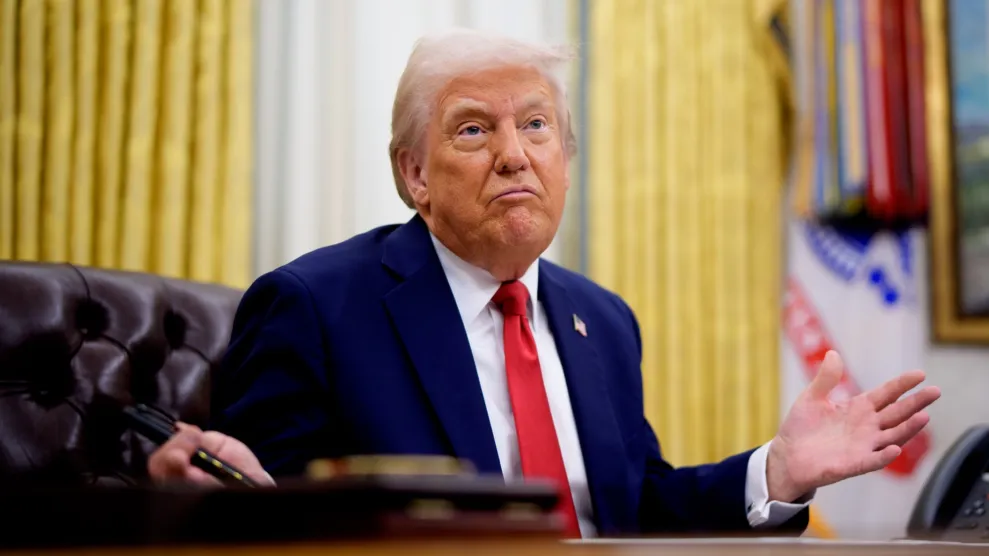
According to reports, Trump strongly objected to discussions surrounding a potential resumption of bombing activities. If accurate, the reaction may reflect concerns about the broader consequences of military escalation rather than the immediate tactical situation.
Concerns About Regional Instability
Escalating military operations can create unpredictable outcomes, potentially drawing additional actors into ongoing disputes.
Impact on Diplomatic Relationships
Military action often complicates diplomatic efforts, making it more difficult to achieve negotiated solutions.
International Public Opinion
Major military operations frequently attract intense international scrutiny and can influence public perceptions of governments involved.
Economic Consequences
Conflict in strategically important regions can affect markets, trade routes, and investor confidence.
Why Political Analysts Are Paying Attention
These factors may help explain why discussions involving Beirut have generated strong reactions from political leaders and observers alike.
Netanyahu’s Security Perspective
Israel’s Ongoing Security Challenges
Israeli officials have consistently emphasized the need to address security threats facing the country. Government leaders argue that military preparedness remains essential in a region where security conditions can change rapidly.
From Israel’s perspective, decisions regarding military operations are often linked to:
- National defense priorities.
- Border security concerns.
- Intelligence assessments.
- Strategic deterrence objectives.
- Protection of civilian populations.
Balancing Security and Diplomacy
Many international observers stress the importance of balancing military objectives with diplomatic efforts aimed at reducing tensions.
A Difficult Strategic Balance
This balance remains one of the most challenging aspects of policymaking in the Middle East.
International Reactions to the Reports
Global Leaders Monitoring Developments
Governments around the world are closely watching developments related to Israel, Lebanon, and broader Middle Eastern security issues.
Many countries continue to encourage:
- Diplomatic dialogue.
- Conflict prevention measures.
- Humanitarian protections.
- Regional cooperation.
- Peaceful dispute resolution.
Role of International Organizations
International organizations frequently play an important role during periods of heightened regional tension.
Key Areas of Focus
Their efforts often focus on:
- Humanitarian Assistance – Providing support to civilians affected by conflict.
- Conflict Monitoring – Tracking developments and sharing information with member states.
- Diplomatic Engagement – Encouraging communication between parties involved in disputes.
- Stability Initiatives – Supporting programs designed to reduce tensions and strengthen cooperation.
Potential Impact on U.S.-Israel Relations
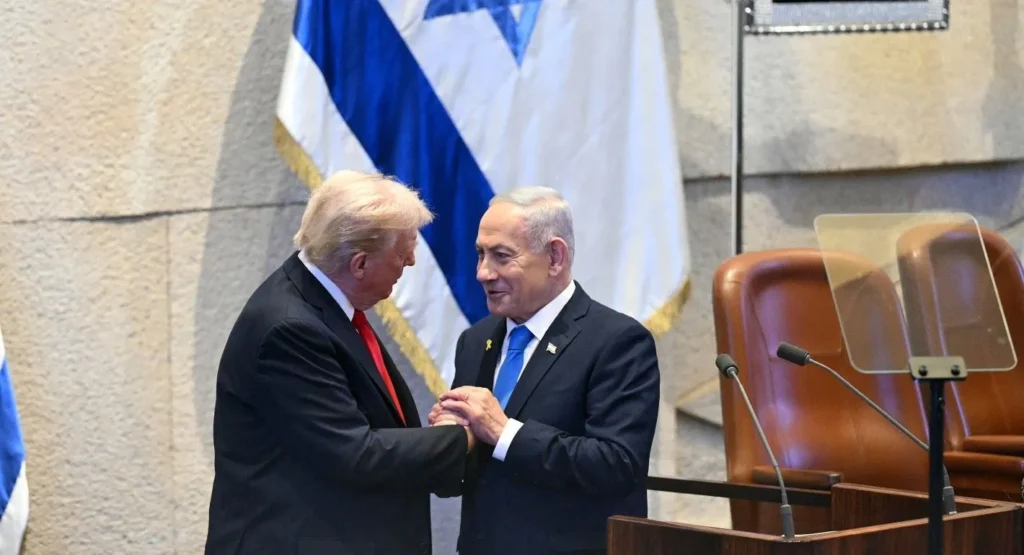
A Relationship Under Global Scrutiny
The relationship between the United States and Israel remains one of the most closely watched partnerships in international politics.
Any indication of disagreement between influential American and Israeli political figures naturally attracts attention from media organizations, policymakers, and investors.
Future Diplomatic Implications
Observers suggest that public disagreements involving prominent leaders can influence:
- Diplomatic messaging.
- Political narratives.
- International perceptions.
- Policy discussions.
- Regional negotiations.
What Happens Next?
The coming weeks may provide greater clarity regarding the practical implications of the reports and their impact on bilateral relations.
The Broader Middle East Security Landscape
Multiple Challenges Facing the Region
The Middle East continues to confront a range of complex challenges, including:
- Ongoing conflicts.
- Economic pressures.
- Political transitions.
- Security threats.
- Humanitarian concerns.
Importance of De-Escalation Efforts
Many experts believe that reducing tensions remains essential for maintaining regional stability.
Key Elements of De-Escalation
Successful efforts often require:
- Diplomatic communication.
- International cooperation.
- Humanitarian protections.
- Long-term political solutions.
Media Attention and Public Interest
Why This Story Has Gone Viral
The reported confrontation between Trump and Netanyahu combines several elements that naturally attract public interest:
- High-profile political figures.
- Middle East security concerns.
- International diplomacy.
- Military policy debates.
- Regional stability questions.
Public Discussion Continues
Citizens, analysts, and policymakers continue debating the implications of the reports. While some focus on the personal dynamics between political leaders, others emphasize the broader strategic issues involved.
Global Attention Remains Focused on the Region
Regardless of differing perspectives, the story highlights the ongoing importance of Middle Eastern developments in shaping international political discussions.
Final Thoughts
Reports claiming that Donald Trump “shouted and cursed” Benjamin Netanyahu over the possibility of resuming bombing operations in Beirut have generated significant global attention. While details remain subject to further clarification, the incident underscores the complex challenges facing leaders as they navigate security concerns, diplomatic relationships, and regional stability.
The situation serves as a reminder that decisions involving the Middle East often carry consequences extending far beyond national borders. As governments and international organizations continue monitoring developments, attention will remain focused on efforts to prevent escalation and promote stability throughout the region.
In the coming days, additional information may emerge regarding the reported exchange, but one thing is already clear: the political and security dynamics of the Middle East remain among the most important issues on the global agenda.