
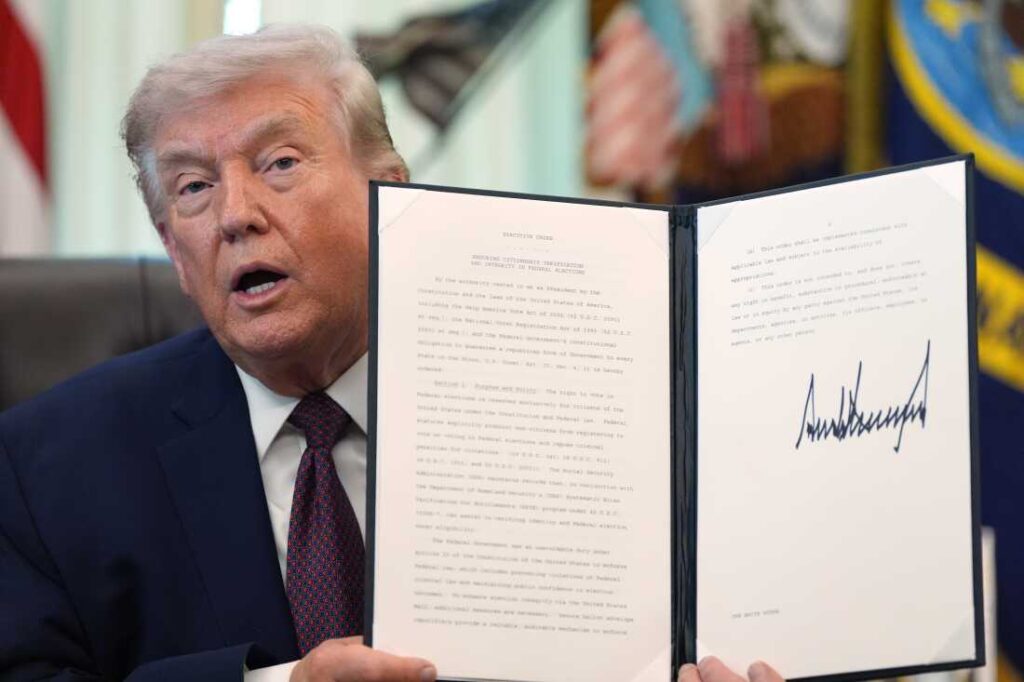

A federal judge has declined to block former President Donald Trump’s executive order related to mail-in voting, allowing the controversial measure to remain in effect while legal challenges continue. The ruling has quickly become a major political topic across the United States, especially as election laws and voting rights remain central issues ahead of upcoming elections.
Supporters of the order argue that stricter voting rules are necessary to protect election integrity, while critics believe the measures could make voting more difficult for millions of Americans who rely on mail-in ballots.
The court decision marks another significant chapter in the ongoing national debate surrounding election security, voter access, and presidential authority.
Federal Judge Refuses to Halt Executive Order
Court Allows Order to Remain Active
The federal judge overseeing the case ruled against requests to temporarily block the executive order. The decision means the order can continue to move forward while lawsuits challenging its legality proceed through the court system.
The ruling does not necessarily determine whether the executive order is fully legal or constitutional. Instead, the judge concluded that opponents had not met the legal standard required for an immediate injunction.
What the Executive Order Focuses On
The executive order reportedly targets several areas related to mail-in voting procedures and election administration.
Key Areas Addressed in the Order
- Mail-in ballot verification procedures
- Voter identification requirements
- Election security measures
- Federal oversight of voting systems
- Deadlines for ballot submissions
Supporters say these measures are intended to increase public confidence in election results.
Donald Trump’s Position on Mail-In Voting
Longstanding Criticism of Mail Ballots
Former President Donald Trump has repeatedly criticized widespread mail-in voting over the past several years. He has argued that stronger safeguards are needed to prevent fraud and improve election transparency.
Although multiple investigations and courts found no evidence of widespread voter fraud affecting election outcomes, Trump and many of his supporters continue advocating stricter election regulations.
Trump Supporters Defend the Executive Order
Supporters of the executive order believe stronger voting regulations are necessary to protect democracy and maintain trust in elections.
Arguments Made by Supporters
- Increased voter verification improves security
- Stricter deadlines reduce confusion
- Better oversight prevents fraud risks
- Public confidence in elections may improve
Many Republican lawmakers and conservative organizations praised the judge’s decision not to block the order.
Critics Raise Concerns Over Voting Access
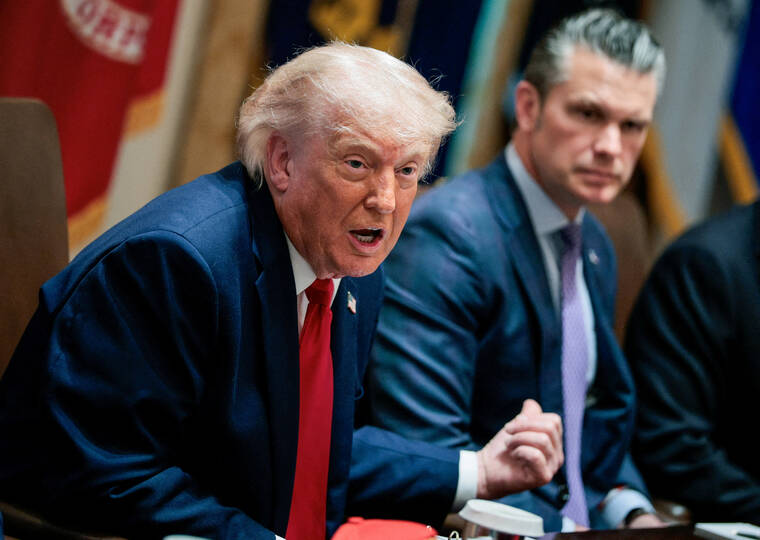
Opponents Say Rules Could Limit Participation
Civil rights groups and voting rights organizations strongly criticized both the executive order and the court ruling.
Critics argue that stricter mail-in voting requirements could disproportionately affect elderly voters, disabled individuals, rural communities, and people who cannot easily vote in person.
Legal Challenges Continue
Several organizations have already filed lawsuits challenging the executive order. They claim parts of the measure may violate voting rights protections and exceed presidential authority.
Concerns Raised by Opponents
- Reduced voter accessibility
- Confusion among mail-in voters
- Possible voter suppression
- Increased administrative burdens
- Longer election disputes
Opponents also argue that election laws are traditionally handled by states rather than through broad federal executive action.
Why Mail-In Voting Remains a National Debate
Voting Methods Changed Dramatically in Recent Years
Mail-in voting became far more common during recent election cycles, especially during the COVID-19 pandemic. Millions of Americans used absentee and mail ballots to avoid crowded polling places.
As a result, election procedures became heavily politicized across the country.
Divided Opinions Across Political Parties
Republicans and Democrats often hold sharply different opinions regarding mail-in voting policies.
Common Republican Concerns
- Election security risks
- Verification challenges
- Delayed vote counting
- Potential fraud vulnerabilities
Common Democratic Concerns
- Protecting voter access
- Expanding participation
- Supporting rural voters
- Reducing barriers to voting
The debate continues influencing legislation and court cases nationwide.
Legal Experts Analyze the Court Decision
Injunction Standards Played a Major Role
Legal analysts noted that the judge’s ruling focused mainly on procedural legal standards rather than a final judgment about the executive order itself.
To block the order immediately, challengers needed to prove several factors, including likely success in court and potential irreparable harm.
The judge determined those standards were not fully met at this stage.
Future Court Battles Are Expected
Although the executive order remains active for now, experts expect lengthy legal battles in both federal and possibly state courts.
Possible Future Legal Outcomes
- Appeals court review
- Supreme Court involvement
- Modifications to the order
- Partial blocks on enforcement
- Additional lawsuits from advocacy groups
The matter is expected to remain a major topic during upcoming election cycles.
Reactions From Political Leaders
Republicans Celebrate the Decision
Many Republican leaders praised the ruling as a victory for election security and constitutional authority.
Some lawmakers argued that stricter voting procedures are necessary to protect public trust in democratic systems.
Democrats Criticize the Ruling
Democratic leaders and voting rights advocates expressed disappointment following the decision.
Several officials warned that the executive order could create confusion for voters and increase barriers to participation in future elections.
Statements From Critics Included
- Calls for stronger voting protections
- Concerns about voter suppression
- Warnings about election confusion
- Demands for federal voting rights legislation
Debates over election laws continue to grow stronger as the country moves closer to future political campaigns.
Impact on Upcoming Elections
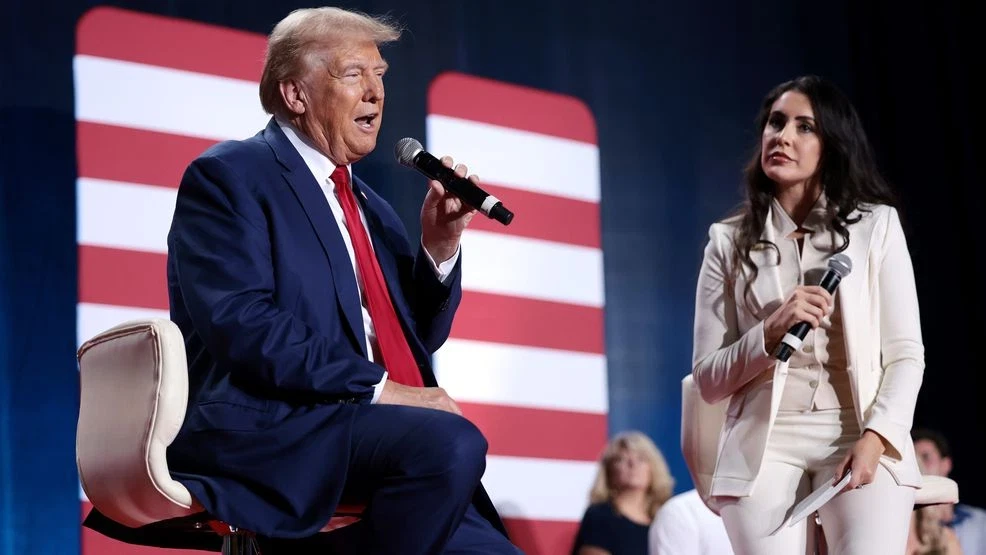
States May Face New Challenges
Election officials across multiple states may now need to evaluate how the executive order could affect local election procedures.
Some states already have strict voting rules, while others allow broad access to mail-in ballots.
Voters Could See New Requirements
If portions of the executive order are implemented fully, voters may face additional verification procedures or updated mail-in ballot guidelines.
Potential Changes for Voters
- Additional ID requirements
- Earlier ballot deadlines
- New signature verification rules
- Updated ballot tracking systems
Election officials may also need to educate voters about changing requirements before upcoming elections.
Public Trust and Election Security Debate Continues
Confidence in Elections Remains a Major Issue
Public confidence in elections has become a major national concern in recent years. Political leaders from both parties continue debating how best to balance election security with voter accessibility.
Supporters of stricter laws argue that stronger protections improve trust in election outcomes.
Critics counter that unnecessary restrictions can discourage voter participation.
Experts Emphasize Accurate Information
Election experts continue encouraging voters to rely on official election sources and verified information rather than misinformation spreading online.
Experts Recommend Voters
- Check local election deadlines
- Verify registration status
- Follow official voting instructions
- Track mail-in ballots carefully
Clear communication remains important as election rules evolve.
Historical Importance of Mail-In Voting in America
Mail Voting Has Long History
Although mail-in voting became more politically controversial in recent years, absentee voting has existed in the United States for decades.
Military members, overseas voters, and individuals unable to visit polling places have historically relied on absentee ballots.
Expansion During Pandemic Increased Attention
The COVID-19 pandemic significantly expanded mail-in voting access across many states, bringing increased attention to election procedures and ballot handling systems.
Since then, debates over election rules have become central political issues nationwide.
Final Thoughts
The federal judge’s decision to decline blocking Donald Trump’s mail-in voting executive order marks another major development in America’s ongoing election law debate.
While supporters view the ruling as a step toward stronger election security, critics warn the order could create new obstacles for voters who depend on mail-in ballots.
The legal battle surrounding the executive order is far from over, with additional lawsuits and possible appeals expected in the coming months. As the United States approaches future elections, debates over voter access, election integrity, and presidential authority are likely to remain highly controversial political issues.
For now, the court’s decision allows the executive order to move forward, keeping mail-in voting policies at the center of national political discussions.