
What is cyclosporiasis
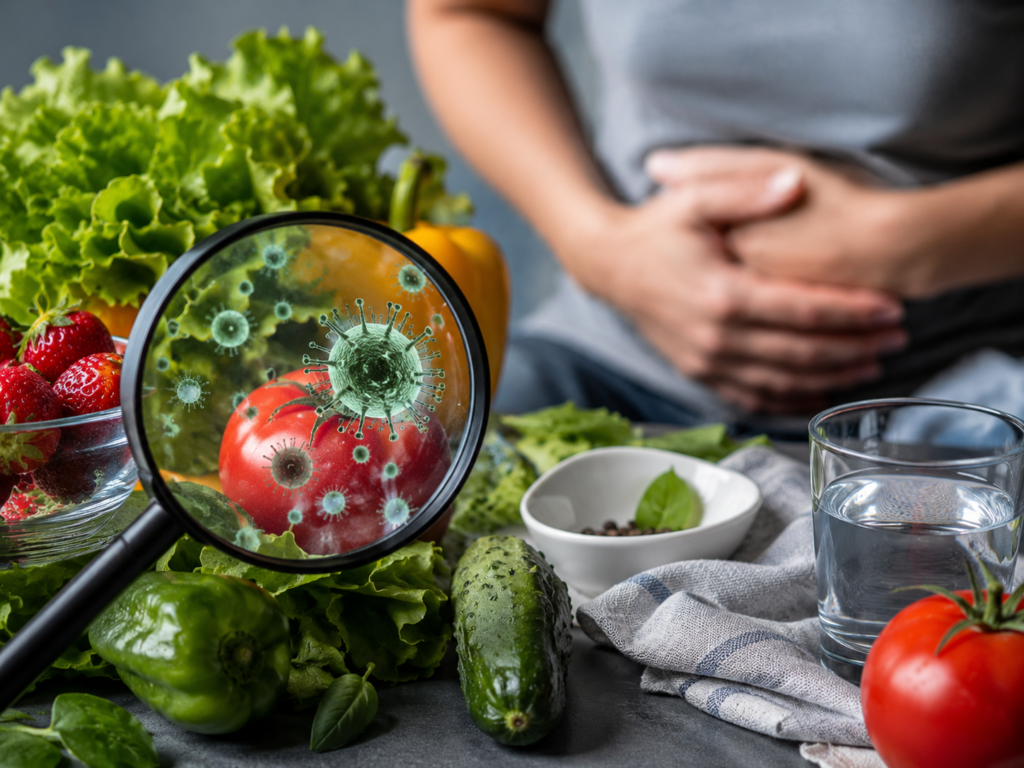
Outbreaks of cyclosporiasis in recent years have alarmed health officials as the human illness caused by the parasite Cyclospora has been increasing, with more people reporting severe gastrointestinal symptoms. Investigators have not determined the exact source, however based on patterns from past outbreaks, fresh produce is suspected. It can lead to explosive diarrhea and stomach cramps, nausea, and fatigue that may linger for weeks after infection — that’s why listeria is regarded as one of the most feared summertime foodborne illnesses.
Public health authorities are trying to identify the source of the contaminated food and consumers can take precautions to handle food safely Don’t miss: Learn the basics of cyclosporiasis symptoms, causes, treatment and prevention to keep yourself and your family safe.
Cyclospora: Cycling back to Foodborne Disease Cyclosporiasis is a foodborne disease caused by transmission of the microscopic parasite Cyclospora cayetanensis. The parasite first entered the human body through ingestion of food or water contaminated with the parasite, then infects the small intestine. Unlike most bacterial infections, Cyclospora is not immediately contagious from person to person because the organism must stay outside of the human body for some time until it becomes infectious.
Yearly, authorities probe clusters of infections associated with contaminated food. Since most fruits and vegetable are eaten raw, it was easy for them to be the vehicle of that parasite if they were not washed properly.
Understanding the Cyclospora Parasite
Cyclospora is so tiny it can be only detected through laboratory testing available from specialty laboratories. When it enters the body, this germ sticks in the gut and brings about an irritant action that leads to endless loose stools as well as digestive uneasiness.
The way the parasite infects a human body
The parasite is absorbed after the consumption of contaminated food and penetrates the intestines, multiplying and damaging the lining of the digestive system. Resulting in decreased nutrient intake, dehydration, and gastrointestinal symptoms reappearing.
Cyclosporiasis Outbreak Update — What We Currently Know
The federal health officials are now investigating several reports of cyclosporiasis in various states. Although the investigation is still ongoing, officials suspect raw fruits and vegetables since past outbreaks have been linked to leafy greens, herbs, and berries.
Stakeholders are encouraged to monitor public health advisories and be aware of any future food recalls.
Raw Produce Researchers Are Investigating
One of the main culprits are fresh fruits and vegetables, because they are usually consumed raw (not cooked), so that the parasite can still survive.
Why We Our Supplies of Fresh Produce Often Linked to Outbreaks
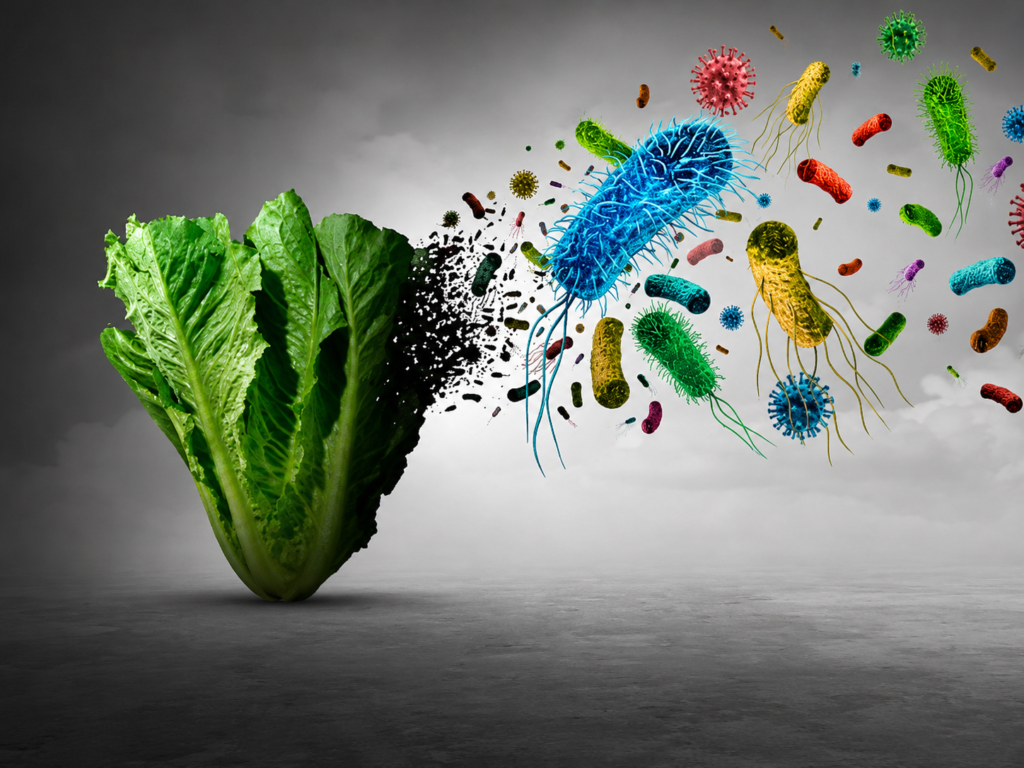
It may become contaminated during irrigation, harvesting, packaging, or transportation. Water contamination or even contaminated uniform wetting, increases the chances of Cyclospora entering food products for consumers.
Symptoms of Cyclosporiasis
Symptoms generally begin 2 to 14 days after consuming contaminated food. How bad it is depends on the individual, but most patients become ill for weeks without sufficient treatment.
Common symptoms include:
- Explosive diarrhea
- Watery stools
- Stomach cramps
- Nausea
- Vomiting
- Fatigue
- Weight loss
- Loss of appetite
- Bloating
- Mild fever
Explosive Diarrhea being the Commonest Symptom
Number one this sudden, multiple watery diarrhea lasting for days or weeks is a classic indication of Cyclospora infection.
Why Must You Go For Immediate Medical Attention?
Prolonged diarrhea has the risk of rapidly triggering dehydration, dizziness, weakness, and an imbalance in electrolytes. If symptoms are severe or lasts longer than expected, one should seek medical care.
Who Is Most at Risk?
While anyone can contract the disease, those in particular groups are more at risk of suffering serious illness.
High-Risk Groups
The most vulnerable are children, the elderly, pregnant and immunocompromised individuals.
Why These Groups Are More at Risk
Their bodies might fail to cope with dehydration as well as longer-term disease– raising the chance of being admitted to healthcare facility.
Foods Most Commonly Associated with Cyclospora
As follows from some previous investigations, look into various foods has been connected with Cyclospora outbreaks.
These include:
- Bagged salads
- Leafy greens
- Cilantro
- Basil
- Fresh herbs
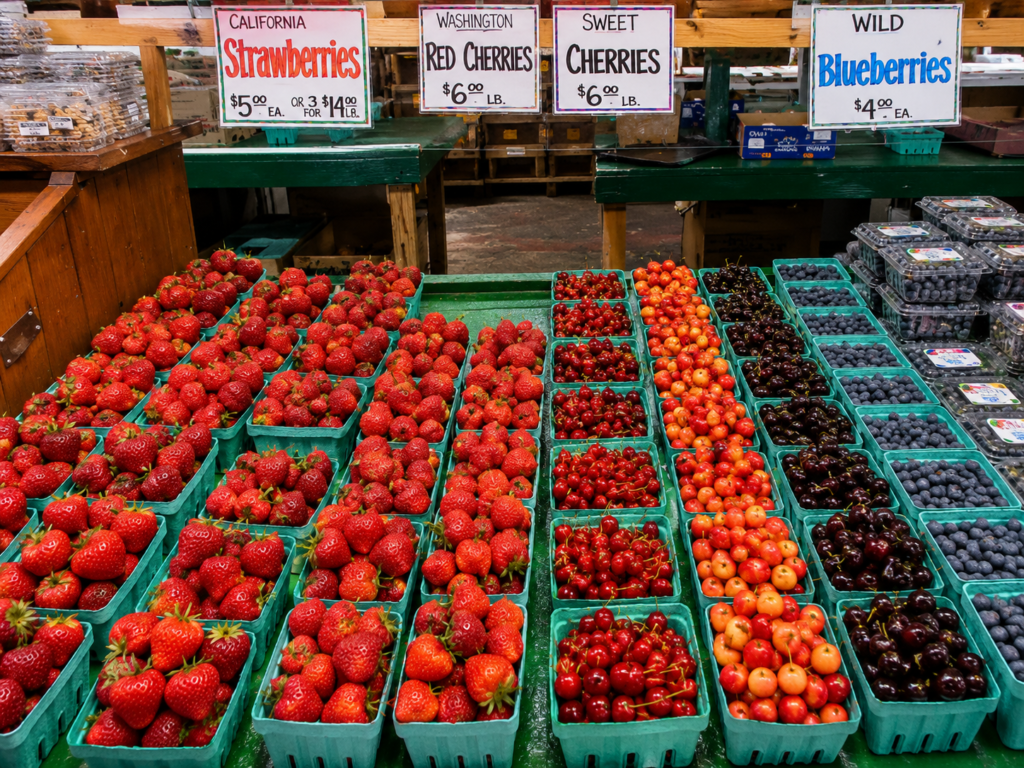
- Raspberries
- Snow peas
- Mixed vegetables
Why Raw Foods Have Higher Risk
Meat preparation can involve heat processing, which destroys many pathogens but does not apply to raw produce, where parasites find a hospitable environment.
Washing Produce Helps, but Is It Enough?
While dirt and some contaminants found on fruits and vegetables may be removed by washing, Cyclospora may not wash off completely.
How Doctors Diagnose Cyclosporiasis
Specialised laboratory tests are needed to diagnose the infection, as symptoms mimic those of other foodborne diseases.
Stool Testing
Cyclospora can be identified by stool samples earnestly requested from doctors.
Advanced Laboratory Testing
PCR-based molecular tests are more accurate and faster than traditional methods.
Treatment for Cyclospora Infection
Unlike many stomach viruses, Cyclospora infections often need treatment with prescription antibiotics.
Patients are also encouraged to:
- Stay hydrated
- Replace lost electrolytes
- Eat light meals
- Get adequate rest
Recovery Time
Most individuals recover within weeks after receiving appropriate treatment.
Importance of Completing Medication
Ordering tests to monitor the inflammatory state to identify evidence of staph infection is crucial for early identification and it can guide the stopping point of antibiotic treatment as stopping therapy too quickly can lead to recurrent symptoms.
How to Prevent Cyclosporiasis
The risk of infection can be greatly reduced by following good food safety habits.
Safe Food Handling Practices
Be sure to wash your hands before cooking and clean fruits and vegetables under running water.
Additional Prevention Tips
- Store fresh produce properly.
- Avoid cross-contamination in the kitchen.
- Drink clean and safe water.
- Stay current with food recall information from health authorities.
Public Health Investigation
It can be a complicated step, as tracing an illness linked to food involves detailed interviews, laboratory testing, and analyses of supply chains.
How Investigators Find the Source of Jukos and Arkady
Onset officials track down the food histories of people that fell ill to find similarities in their products and suppliers.
Why Investigations Take Time
Because foods can pass through several farms, distributors and retailers en route to the consumer, determining where they were grown can sometimes be difficult.
Frequently Asked Questions
Is It Possible To Catch Cyclosporiasis Through Person-To-Person Contact?
Only rarely does the parasite transmit directly, since it must first develop into an infective state outside the body.
Can We Still Eat Fresh Produce?
Yes. Still, health experts maintain you should continue to eat fruits and vegetables while taking precautions against washing your food correctly.
Conclusion
The most recent cyclosporiasis outbreak is a reminder that food safety is still an important public health issue. However, the exact source of these latest illnesses is still under investigation, though continuing a pattern based on previous outbreaks where fresh produce remains the prime suspect. This will then help the person identify the infections of explosive diarrhea, stomach cramps or pain, fatigue, and dehydration leading to timely access to medical intervention and reduced complications.
While health officials continue their investigation, consumers should stay up to date, practice safe food handling and watch out for any food recalls. One of the best ways you can protect yourself and your family from Cyclospora, and other food safety issues, is staying up to date on recommendations for safe eating.