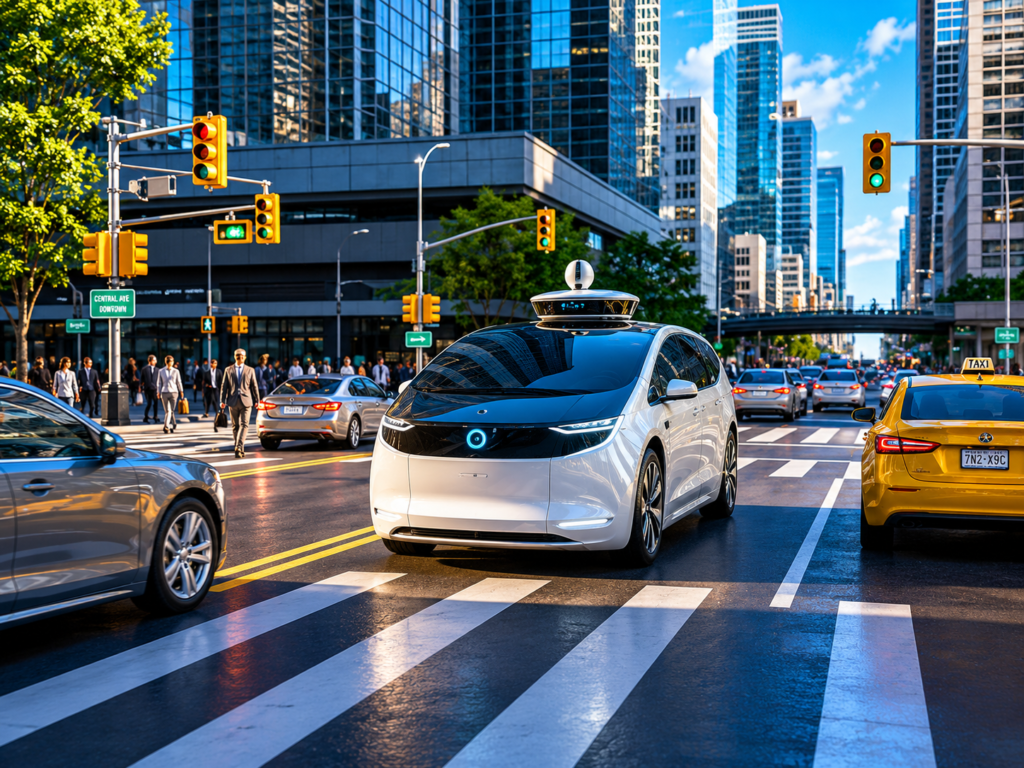

Autonomous driving cars has achieved another major breakthrough as researchers have presented a novel validated artificial intelligence (AI) technique allowing self-driving to drive faster and safer than ever before making the driving decisions. This latest development will enhance how self-driving cars perceive whatever roads they are on, identify possible dangers, and take immediate action in what would previously have been a split-second human decision to avoid an accident.
Autonomous technology has long promised to transform transportation as we know it; a future in which traffic accidents are eliminated, mobility is improved, and the roads are safer. But one of the biggest challenges has been making sure that AI systems can reliably decide in novel circumstances outside of controlled datasets. The approach recently validated in the paper tackles many of these challenges by allowing autonomous systems to better understand complicated driving scenarios.
Industry experts say this innovation could help boost mass adoption of self-driving vehicles as well as instill more faith in autonomous transportation solutions from both government and manufacturers.
The History of Autonomous Vehicles
Over the last year or so, I suppose a decade with autonomous vehicles has come a lot further along than once figured. The state of self-driving systems a few years ago was wanton drive through the specific rules on pre-programmed roads; they were sufficient for certain types of driving conditions but essential dead-letter laws when it came to complex traffic situations.
Today, AI cars use machine learning, computer vision, radar, LiDAR sensors and high performance processors to map the terrain. These systems process thousands of data points per second, choosing the safest course of action when driving.
The most recently validated AI method is yet another advance, building on rapid advances in the speed, precision and confidence of these decision-making systems.
Why Autonomous Driving Matters
According to road safety experts, most traffic incidents are attributed to human error including but not limited to distraction, fatigue, excessive speed, alcohol intoxication and delayed reaction.
The Study of Human Errors in Degenerative Driving
- Distracted driving
- Mobile phone usage
- Fatigue and drowsiness
- Poor weather judgment
- Speeding
- Drunk driving
- Slow reaction times
Autonomous vehicles can reduce many of these risks through persistent monitoring and instantaneous decision making.
The new decision-making technique for AI with a better understanding
The fresh validation makes an artificial intelligence system better at processing data from multiple sensors in self-driving cars, all at the same time.
The new way merges information from cameras, radar, LiDAR sensors places they should have been in GPS mapping a lot of onboard computers instead of analyzing the data at different stages.
The vehicle can identify threats more quickly while forecasting behavior for neighboring cars, cyclists, pedestrians and road events a few seconds ahead of time.
Faster Decision Processing
They do that in mere milliseconds while traditional autonomous systems often need to do additional processing before selecting the safest action.
This technique would eliminate mostofthehigh delay.
What the AI is Analyzing Every Second
- Vehicle speed
- Lane positions
- Traffic lights
- Road signs
- Pedestrian movements
- Bicycle traffic
- Weather conditions
- Road construction
- Emergency vehicles
- Unexpected obstacles
Why Researchers Describe It as a Historic Achievement
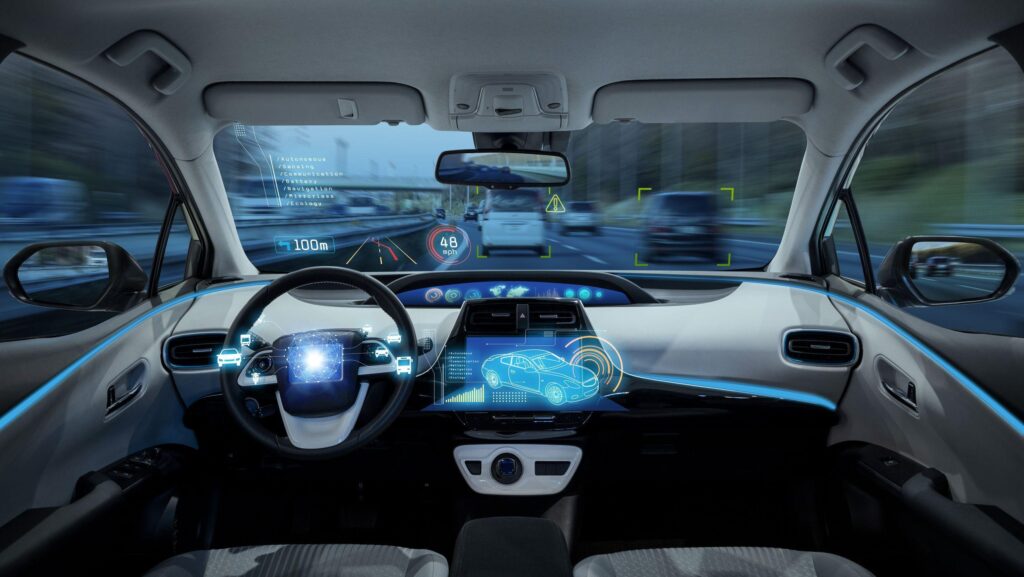
Uncertainty has always posed one of the greatest challenges for autonomous driving.
We encounter unexpected situations requiring immediate decisions, like a child running onto the street, another driver stomping on their brakes or sudden changes in weather conditions.
Highlight 2: Researchers say the validated AI model is superior because it predicts numerous possible outcomes before selecting the safest response (representing higher mental structure).
Instead of waiting for an emergency to happen, it predicts potential danger before they become emergencies.
Predictive Intelligence
Modern ai does not just react.
It predicts.
Examples of Predictive Driving
- Anticipating sudden lane changes
- Predicting pedestrian crossings
- Identifying automobiles that are obstructed from view
- Preparing for slippery roads
- Identifying dangerous intersections
Extensive Validation Builds Trust
Researchers test extensively before putting new autonomous technologies on public roads.
The new AI method has allegedly been tested in millions of driving simulators [running] alongside limited real-world testing.
It tests urban roads, highways, rural environments, heavy traffic in darkness and rain fog and emergency situations.
Real-World Testing
Engineers constructed thousands of complex driving scenes to test the AI.
Testing Conditions Included
- City intersections
- School zones
- Busy highways
- Heavy rainfall
- Snow-covered roads
- Dense traffic
- Emergency braking
- Construction zones
The AI had faster reaction and a decision making process overall safer than certain autonomous systems earlier on.
Artificial Intelligence Vs Human Drivers that decide what one is better
Experience, judgement and instinct of part of a human driver.
Data, sensors and calculations, lots of calculations are essential for AI.
Autonomous systems never lose focus, get tired or stressed out emotionally like humans do.
They can identify all aspects of the environment 365 (after examining a potentially thousands of options every second.
Key Advantages of AI
Researchers think that, for most standard driving situations, AI could do better than human drivers.
AI Advantages
- Faster reaction times
- Constant attention
- No fatigue
- Better obstacle detection
- Accurate lane positioning
- Continuous monitoring
- Improved emergency response
While there is still an element that human drivers bring to the roads in uncertainty, AI consistently closes that gap through continued research.
Safer Road, Driven by Better Technology
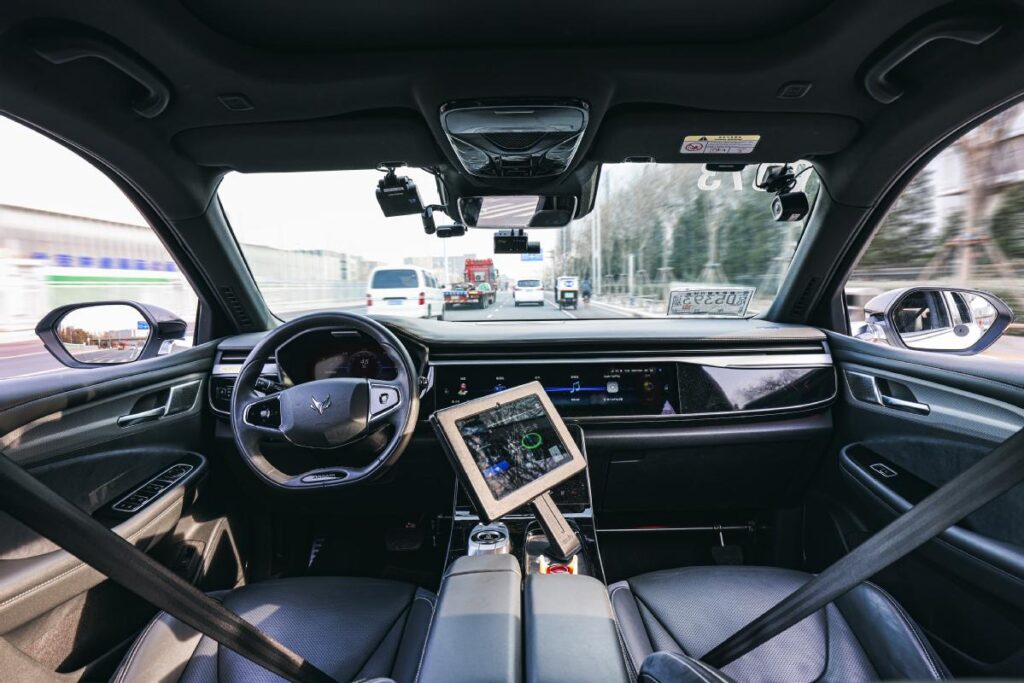
The Chinese government isn’t the only one that is still investing in intelligent transportation systems around the world.
Smarter autonomous vehicles could reduce:
Road Safety Benefits
The road accidents caused by human errors can be eliminated with advanced AI.
Expected Benefits
- Fewer traffic accidents
- Lower insurance costs
- Reduced traffic congestion
- Better fuel efficiency
- Safer pedestrian crossings
- Improved emergency response
Such refinements could prevent thousands of needless deaths annually.
Remaining Roadblocks for Self-Driving Cars
In fact, while advances have been made, serious technical and regulatory work remains to be done on autonomous driving.
Before full-fledged driver-less transportation can become ubiquitous, AI still has a little to go with its artfulness.
We will expand on two key unresolved areas in the field of electronics and autonomous systems—extreme weather, uncommon road layouts, or unanticipated human behaviors.
Remaining Challenges
Additional steps are still being taken by developers around the world to make AI systems more and more reliable under any conditions that can be imagined.
Current Limitations
- Heavy snowfall
- Dense fog
- Poor road markings
- Cybersecurity threats
- Legal regulations
- Public trust
Addressing these challenges will require on-going collaboration between researchers, government and manufacturers.
How AI will influence transportation in the future
Data is king and expected to be centralized on artificial intelligence that will have a role for Future Mobility in extreme sense.
Outside of private vehicles, AI could evolve:
Industries That Will Benefit
Not just passenger cars, autonomous technology is slammed for being evasive.
Future Applications
- Robotaxis
- Autonomous trucks
- Public transportation
- Delivery vehicles
- Emergency response vehicles
- Smart city transportation
And such innovations can change the ways in which people travel, work, and have goods delivered.
Global Automotive Industry Responds
While the leading auto companies of the world still pumping billions into AI-driven driving technology.
IT and automotive companies go together for building safe autonomous platforms, electric vehicle manufacturers and semiconductor makers are remotely cooperate.
Competition is pushing innovation forward at a fast pace and we get better cars every year.
Industry Trends
It was just the latest round in a global race to fully autonomous transportation.
Major Areas of Investment
- Artificial intelligence
- Advanced sensors
- High-performance processors
- Electric vehicles
- Smart infrastructure
- Cloud computing
What This Means For Consumers
Many consumers are already familiar with AI-powered driving features through advanced driver assistance systems (ADAS).
Recent findings may enhance technology already in use in present-day vehicles.
Everyday Features
Your next vehicle may be smarter that it is today with even better safety systems.
Expected Improvements
- Automatic emergency braking
- Adaptive cruise control
- Intelligent parking
- Lane keeping assistance
- Traffic sign recognition
- Collision avoidance
- Driver monitoring systems
With the continuous enhancements in AI, these qualities will be faster, safer and more reliable.
Looking Ahead
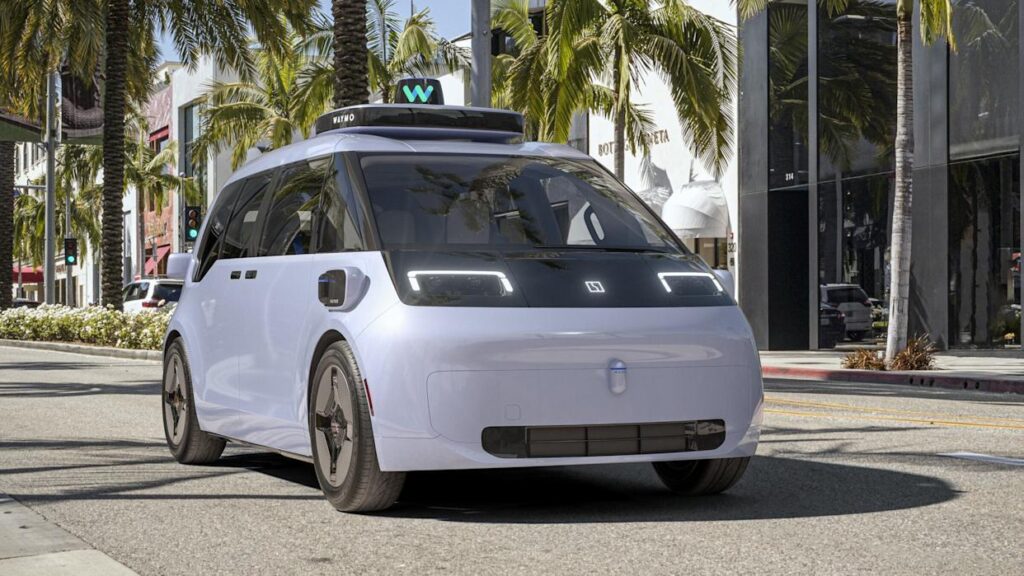
Autonomous driving technology is continuously evolving, a process experts expect to last for at least the next 10 years.
We expect future AI systems to directly communicate with traffic signals, emergency services, neighboring vehicles and smart city infrastructure in order to develop safer transport networks.
They also expect driverless vehicles will become even more energy efficient and emit fewer emissions by adopting a driving style that minimizes every minute of devil.
Future Innovations
The self-driving car of the next generation may be equipped with additional advanced capabilities.
What’s Coming Next
- Vehicle-to-vehicle communication
- AI-powered traffic management
- Fully autonomous highways
- Smart parking ecosystems
- Predictive maintenance
- Connected mobility services
Final Thoughts
Now Your Self-Driving Car Is Even Smarter: This Newly Validated AI Method Is Another Major Step Toward Autonomous Driving Researchers working towards a future of intelligent transportation are making strides toward the feasibility of self-driving cars processing information and decision-making faster and safer than humans can in many scenarios.
Despite the challenges ahead, never-ending innovation around artificial intelligence, sensor technology and machine learning means vehicles are more durable and safe than ever. Autonomous vehicles make up a big part of the future where road accidents, traffic efficiency and global transport will all be positively impacted as governments, car makers and tech companies come together to hone in on these systems before rolling them out.