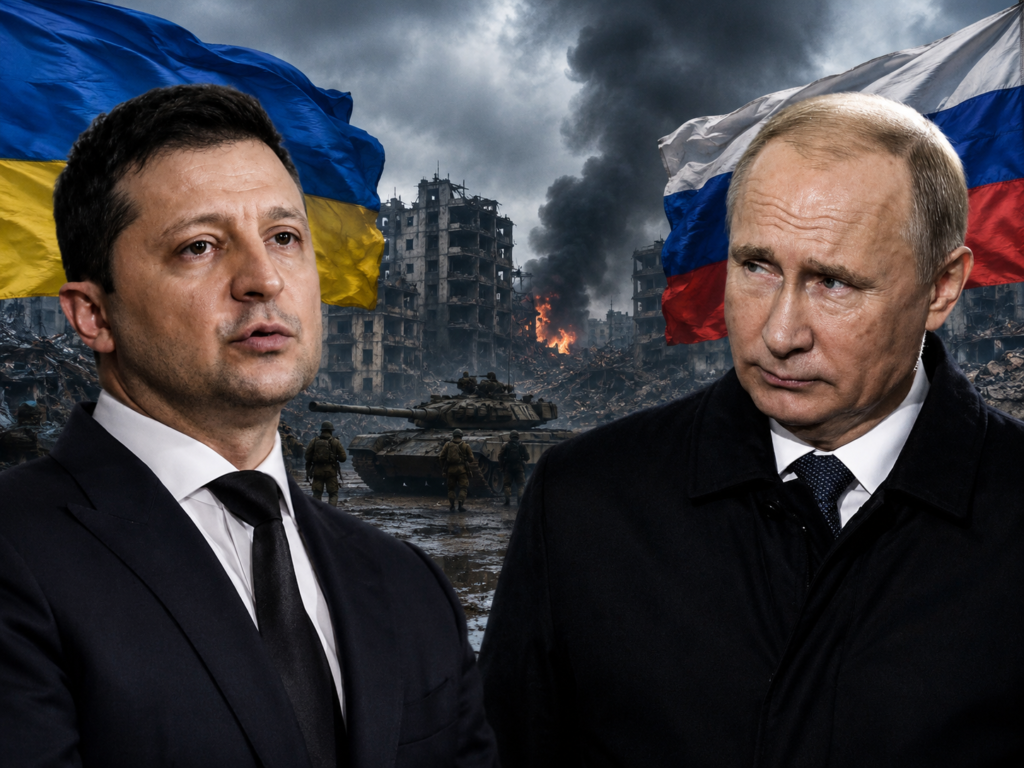

The Russia-Ukraine war is still amongst the most important geopolitical tensions in the world, and continues to have a major impact on international relations and global economies. Over three years after Russia’s broader invasion of the country, the war again reaches new levels of violence, progress on both fronts and failure on humanitarain. On a day-to-day basis, things are shifting when it comes to not only Eastern Europe but also nations all around the world.
The war has been a key issue for governments and global organizations since October 2023, from battlefield updates to international sanctions and military aid. Millions of civilians are still displaced as the conflict grinds on, with world leaders seeking a release from the spiral that could herald long-lasting peace.
Latest Russia-Ukraine War Developments
The fighting rages on in eastern and southern Ukraine, where Russian forces continue to carry out military actions. Meanwhile, Ukraine ramped up drone strikes on critical military sites — and Russia hit back with missile barrages against civilian targets and further troops in eastern and southern Ukraine.
Military experts believe both sides are now aiming to consolidate positions ahead of attacks later. While neither side has made a major breakthrough, the fighting is constantly changing with major news almost on a daily basis.
Frontline Situation
Battle is ongoing in multiple key regions where each army is fighting to compete for strategic areas. Until then heavy artillery, drones and guided missiles are always part of modern battlefield tactics.
Key Battlefield Highlights
- Ongoing clashes in eastern Ukraine
- Increased drone warfare
- Missile attacks on strategic locations
- Strengthened defensive positions
- Continued military mobilization
International Support for Ukraine
Western allies continue to provide Ukraine military, financial and humanitarian support. The US, the UK, Germany, France and Poland along several other NATO allies offered additional assistance to bolster Ukraine’s defensive capabilities.
Military assistance covers air defense systems, armored vehicles, artillery ammunition, intelligence sharing and training of Ukrainian forces.
Military Aid Continues
Western governments see ongoing support as vital in upholding Ukrainian sovereignty and keeping regional stability.
Types of Assistance
- Air defense systems
- Long-range missiles
- Artillery shells
- Financial aid packages
- Humanitarian assistance
- Medical supplies
- Military training
Russia’s Military Strategy
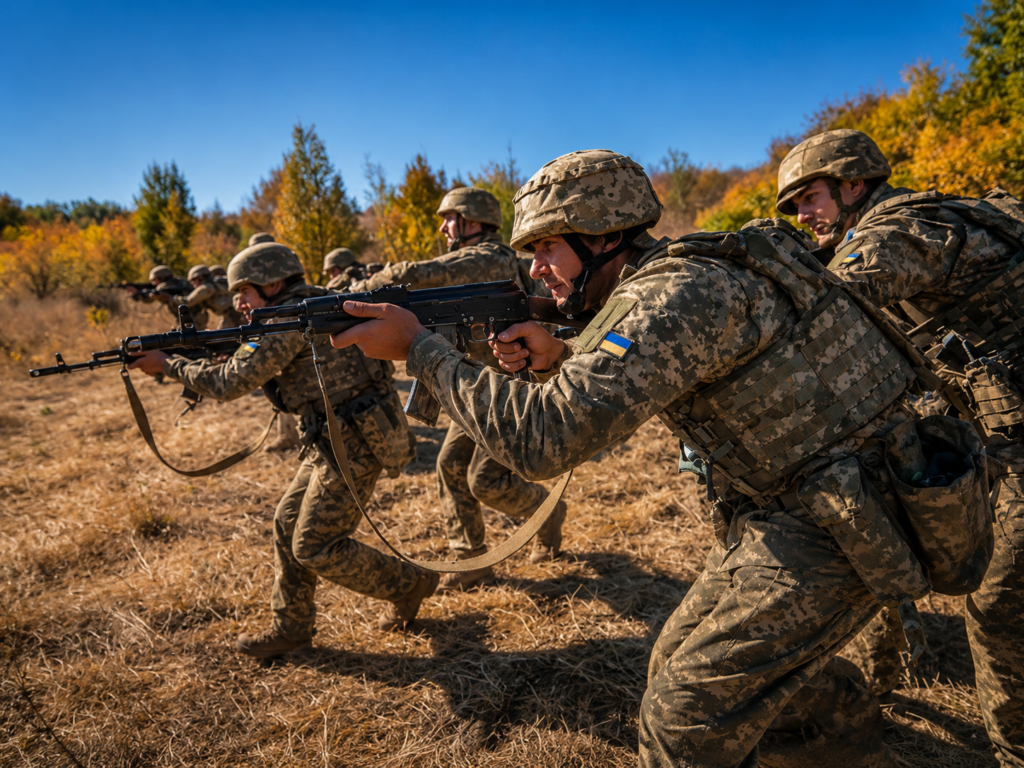
Moscow has spent assertively on military interventions by increasing defense production and hiring more troops. Despite heavy international sanctions, the Kremlin insists its military aims are still on course.
RUSSIAN STRIKES Russian forces carry out strikes on military infrastructure, logistics centers and energy facilities in various regions of Ukraine.
Focus on Strategic Infrastructure
Military planners say that possession of transportation routes and supply lines is still a primary objective for both sides.
Russian Military Priorities
- Protect occupied territories
- Expand defensive positions
- Maintain logistics networks
- Increase drone production
- Strengthen missile capabilities
Ukraine’s Defense Strategy
This technology and methodology is adapted into their military tactics, which they use to strike on intelligence gathered and using advanced drone strategies. Using its own commanders, Ukraine has stressed mobility and technology to offset the overwhelming mass of Russian military resources.
President Volodymyr Zelenskyy keeps calling for more air defense systems and military equipment from international partners.
Innovation on the Battlefield
Drones have played an integral role as a tool for success in modern warfare on the battlefield enabling both sides to gather intelligence about each other’s troop movements and conduct precision attacks against critical targets.
Ukraine’s Key Priorities
- Strengthening air defenses
- Expanding drone production
- Protecting civilians
- Securing energy infrastructure
- Maintaining international support
Humanitarian Crisis Continues
The conflict has triggered one of the largest humanitarian crises in Europe since World War II. There are millions of internally displaced women on the need for development, outside Ukraine still thousands of people depend on international humanitarian assistance.
Infrastructure such as hospitals, schools, power plants and houses have been significantly destroyed.
Impact on Civilians
Many families are still living in dire conditions because of damage to infrastructure, cut electricity supplies and continuing security risks.
Humanitarian Challenges
- Displacement of civilians
- Housing shortages
- Medical emergencies
- Food security concerns
- Education disruptions
Global Economic Impact
The impact of the Russia-Ukraine conflict on markets via energy prices, food supplies, inflation and international trade has also continued.
Both Ukraine and Russia represent large agricultural exporters, while energy markets depend on geopolitical risks.
Energy Markets
Developments related to sanctions and export restrictions continue to make natural gas and oil prices sensitive to measures stemming from the war.
Economic Effects Worldwide
- Rising energy costs
- Food price volatility
- Inflation pressures
- Supply chain disruptions
- Increased defense spending
Diplomatic efforts and negotiations for peace
Global leaders are still urging diplomatic talks to achieve a ceasefire, but little progress has been made.
Many countries have offered services as mediators of possible future peace talks, and organizations like the United Nations keep supporting humanitarian activities.
Challenges to Peace
Political disputes, territorial issues and security concerns are key barriers to significant negotiations
Key Diplomatic Priorities
- Ceasefire discussions
- Prisoner exchanges
- Humanitarian corridors
- International mediation
- Long-term security guarantees
NATO and European Security
The war has fundamentally transformed the security landscape of Europe. NATO expanded military cooperation between member states and increased defence investments throughout Europe.
In response to these changes in the security environment, several European governments have increased short term military modernization programs.
Regional Security
Amid continued geopolitical uncertainty, European nations continue to bolster border security and military anti-Dumpling readiness.
NATO’s Objectives
- Enhance collective defense
- Increase military readiness
- Support Ukraine
- Improve intelligence cooperation
- Strengthen regional stability
Technology Changing Modern Warfare
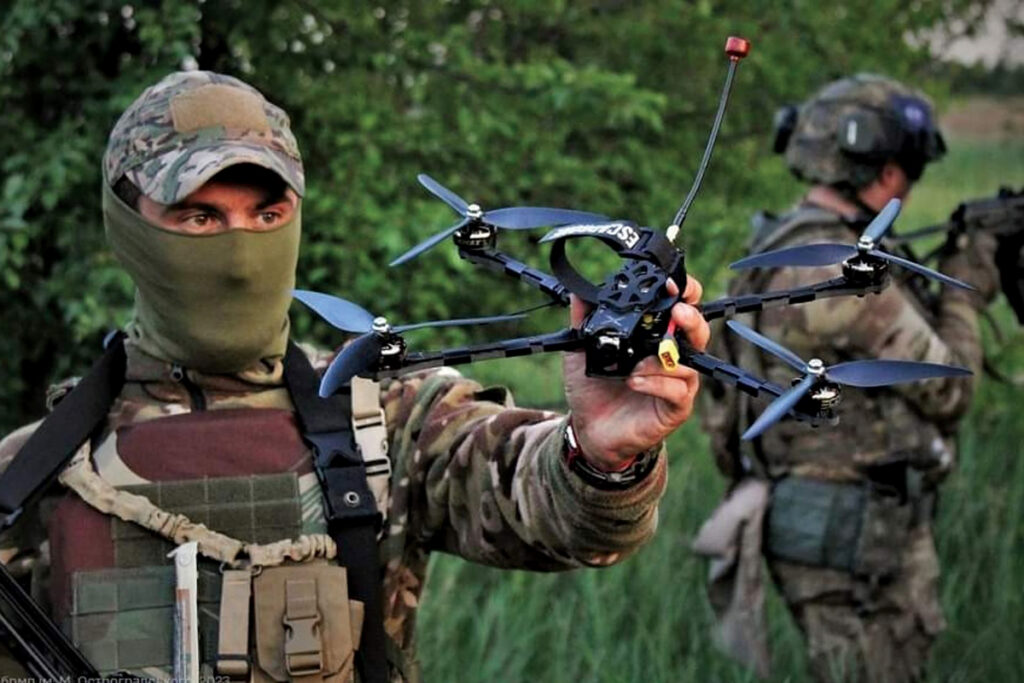
The Russia-Ukraine war has shown how technology is redefining the conduct of warfare.
Modern warfare depends on such high-tech capabilities as artificial intelligence, satellite imagery, cyber operations, drones, and electronic warfare
Rise of Drone Warfare
Both Moscow and Kyiv are utilising it more for reconnaissance and precision strikes.
Technologies Used
- Combat drones
- Satellite intelligence
- Cybersecurity systems
- Artificial intelligence
- Electronic warfare equipment
What Could Happen Next
Military specialists say the war may drag on for months — even years — unless there are substantial diplomatic gains.
Future developments may include:
Possible Scenarios
- Continued military operations
- Expanded international sanctions
- Increased military aid
- New peace negotiations
- Additional humanitarian support
Elements That Will Influence The Future
- Battlefield developments
- International diplomacy
- Economic sanctions
- Military technology
- Political leadership decisions
Conclusion
The key Russia-Ukraine war is still one of the most scrutinised geopolitical crises, reaching into global politics, security architecture, energy markets and humanitarian assistance. Amid continuing military operations on the battlefield, diplomatic initiatives and international cooperation are important in the pursuit of a peaceful resolution. With ongoing developments, governments, humanitarian groups and world powers are left tracking how the situation develops and what it could mean for the future of Europe as well as international politics. The next few months will be pivotal in shaping the course of this conflict over the years and decades to come.