

Europe is bracing for what may once again be a record shattering heatwave in temperature as Continental Europe heats up. Fewer than 12 hours to whip up temperatures nearing 40C (104F) as the heat-baking system sweeps east towards Germany and Poland. The heatwave has already disrupted transport networks in some parts of Europe, put huge strain on power grids and triggered emergency measures with some governments forced to respond.
The most recent heatwave has been a hot topic for climate experts, policymakers and citizens. Scientists are warning that climate change is increasing the frequency of these types of extreme weather events. Heatwaves are a natural phenomenon, but their frequency, length and severity have all risen markedly over the last few decades.
The continent is facing yet another difficult summer period, with millions warned to prepare for heat illness. Authorities in major urban areas to small, rural communities have recognized the threat of extreme temperatures to public health and critical infrastructure.
Why Europe’s heatwave is worsening, how both Germany and Poland are bracing for the dangerous conditions, impact on daily life -and climate-expers what next
Europe A Blazing Inferno
This heatwave hitting Europe is due to a mix of atmospheric and climatic factors. Weather specialists say a powerful high-pressure system has parked itself over much of the continent, trapping warm air and blocking cooler weather systems from getting to areas of impact.
Main Factors Causing the Heatwave
And one of the reasons we have those extreme temperatures are several conditions:
- Persistent high-pressure systems
- North African air masses which penetrate with warm front
- Central Europe dry soil situation
- Reduced rainfall levels
- Heat It up: Global warming is caused by climate change
But when these factors combine, temperatures can surge quickly and stay high for long periods. While shorter and less intense heat waves makes huge difference, prolonged heatwaves are dangerous for health infrastructure and economy.
Climate Change’s Impact
Scientists warn that climate change is making more frequent extreme heat events possible. Increasing concentrations of greenhouse gases have warmed the atmosphere near the Earth and led to more frequent record-breaking temperatures.
You learned that heatwaves in Europe today are far more intense than similar events of decades ago. Climate models project that unless emissions are dramatically cut, future summers could bring more brutal heat conditions.
Merciless temperatures approaching 40°C in Germany

Germany is another country that is expected to see some of the highest temperatures during this part of the heatwave. Many areas receive predictions to get near or reach 40 degrees Celsius, raising alarm bells for human health and infrastructure.
Emergency Preparations Across Germany
The country has taken many steps to mitigate the dangers from especially hot weather.
These measures include:
- Opening public cooling centers
- Issuing heat-health warnings
- Increasing emergency medical staffing
- Establishing urban water refill stations
- Monitoring vulnerable populations
Hospitals and healthcare facilities were likewise warned to be prepared for a surge of heat-related sicknesses.
Impact on Transportation
Extreme temperatures can impact transportation systems in multiple ways.
Heat causes railway tracks to expand, which forces trains to proceed at lower speed. Roadways are prone to softening or development of cracks, which can then result in vehicle delays and added upkeep demands.
They are also closely monitoring conditions at airports and test facilities where high temperatures can impact the performance of their aircraft as they take off and land.
Record Breaking Heat To Be Experienced In Poland
There are also expecting extremely different weather in Poland and there forecasting tropical such as conditions never experienced by the country.
Major Concerns for Authorities
There are some other most prominent areas that government needs to focus on:
- Public health protection
- Water resource management
- Wildfire prevention
- Energy supply stability
Counties are bracing for months of extreme heat that could put pressure on local services and stretch emergency responders further, in many cases by long-standing conditions.
Effects on Agriculture
Agriculture is the sector that is being threatened most by extreme heat.
What worries farmers all over Poland
- Reduced crop yields
- Water shortages
- Livestock stress
- Soil moisture loss
Prolonged heat and drought conditions can have vast implications for food production and agricultural incomes.
The Impacts of Cooking the Heat of Course across the Entire European Continent
While Germany and Poland is dominating the news right now, heatwave has to overcome many countries in Europe.
Countries Experiencing Extreme Temperatures

The usual record highs were already seen in different countries, such as:
- France
- Spain
- Italy
- Portugal
- Greece
- Austria
- Hungary
- Czech Republic
Southern European regions have been especially vulnerable, with even some areas affected by repeated heat waves during the current summer.
Urban Areas Under Pressure
The urban heat island effect causes large cities to be warmer than their rural surrounding areas.
The heat that is absorbed and held for long periods by concrete buildings and roads, but also the lack of green spaces make cities particularly unpleasant and pose a serious risk to human health during brutal episodes of heat.
Increasing Wildfire Risks
Wildfires are one of the most dangerous consequences of extreme heat.
Why the Heatwaves Make the Fires More Dangerous
Vegetation is dry because it is hot, which helps fires to break out and spread quickly.
Additional risk factors include:
- Low humidity
- Strong winds
- Dry forests
- Extended drought conditions
In such a situation, it does not take much of a spark to set off a massive bushfire.
Firefighting Challenges
Firefighters in Europe are still on high alert. Emergency services are ramping up patrols, keeping a close eye on hot spots, and standing by with extra crews in the event of flare-ups.
They are endangering lives and properties. They causing air pollution; environmental damage.
Growing Strain on Power Systems
In this case, heatwaves put a mighty strain on electricity networks as millions of people need to run their cooling devices just to be comfortable.
Rising Energy Demand
Because of this, electricity consumption increases tremendously:
- Air conditioning
- Electric fans
- Refrigeration systems
- Industrial cooling equipment
Why they must ensure that supply is kept in line with demand.
Renewable Energy Opportunities
Hot and sunny weather tends to raise solar power generation, helping to offset some of the associated boost in electricity demand. Yet energy analysts cautioned that long-term investment in grid modernization must still go forward to meet future challenges.
Dangers Caused from High Temperatures
Heatwaves result in significant morbidity and mortality, especially among vulnerable groups.
People Most at Risk
Higher risk groups are:
- Elderly individuals
- Young children
- Pregnant women
- Outdoor workers
- People with chronic illnesses
- Individuals with respiratory conditions
Health officials are urging precautions to continue.
Common Heat-Related Illnesses
Heat Exhaustion
Symptoms include:
- Heavy sweating
- Fatigue
- Dizziness
- Muscle cramps
- Nausea
Heatstroke
Heatstroke is a medical emergency and characterized by:
- Body temperature above 40°C
- Confusion
- Rapid heartbeat
- Loss of consciousness
- Hot, dry skin
Immediate medical attention is required.
How Europe’s Heatwave Will Economically Affect Us
Extreme weather does more than public health harm: it also affects economic activity.
Industries Facing Challenges
Several sectors are experiencing disruptions:
- Agriculture
- Tourism
- Construction
- Manufacturing
- Transportation
Rise Temperature increases heat stress and causes significant cost operating, reduces productivity
Financial Losses
Heatwaves can do billions of euros in economic damage through (Sutton, 2023):
- Crop losses
- Infrastructure repairs
- Reduced labor productivity
- Increased healthcare costs
- Wildfire recovery expenses
What about Climate Change and Where are they Headed in the Future Of European Summers?
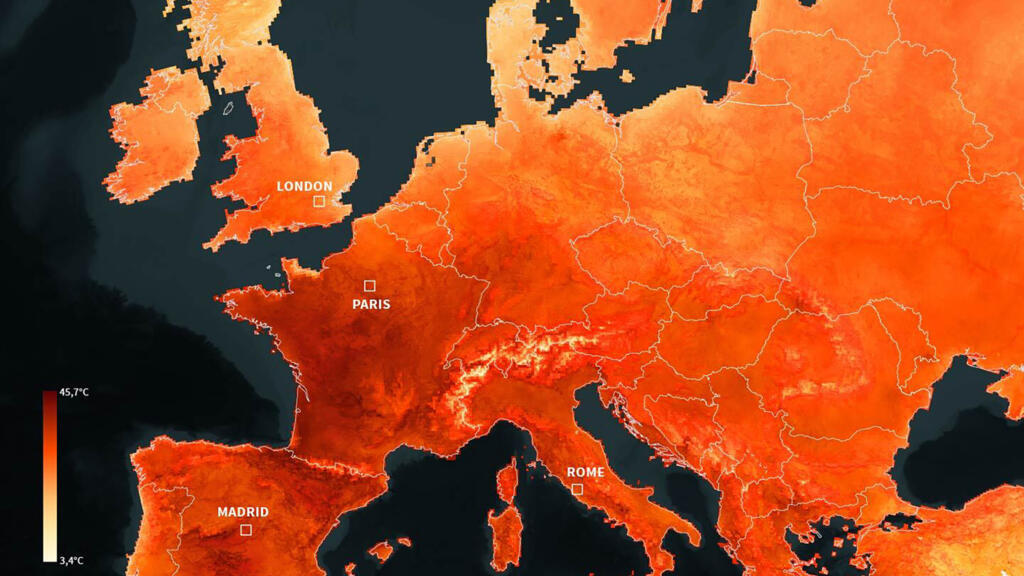
Climate change scientists think that more heatwaves could and will affect Europe in the next decades.
What Research Indicates
Researchers predict that the forthcoming summers may be characterized by:
- More temperatures above 40°C
- Longer heatwave durations
- Increased drought frequency
- Greater wildfire risks
- Higher energy demand
Extreme heat events could be a regular occurrence across Europe in summer without significant global reductions in greenhouse gas emissions.
Long-Term Adaptation Strategies
Governments are spending on solutions like:
- Expanding urban green spaces
- Planting more trees
- Improving building efficiency
- Upgrading energy infrastructure
- Developing climate-resilient cities
These measures will help avoid the danger in future heat waves.
Safety tips to keep cool in extreme heat
How to Protect Yourself
Follow these recommendations:
- Get in enough water throughout the day.
- Do not go out in the sun during peak afternoon.
- Wear loose and light-colored clothing.
- Remain in the shade or air condition premises.
- Check on old relatives and neighbours from time to time.
Emergency Response
If a person is showing symptoms of heatstroke, call for emergency assistance right away and help them get to a cooler location while waiting for medical personnel.
Final Thoughts
The increasing heatwave afflicting Europe should also remind us of the necessary response to extreme weather and climate change. With temperatures forecast to be nudging 40°C in parts of Germany and Poland, governments and communities across the continent are busy taking steps to protect lives, infrastructure and critical services.
Conditions can range from transportation disruptions and power grid pressures to wildfire risks and public health concerns — particularly for vulnerable populations when such extreme heat events become prolonged. The lesson from these repeated experiences is that, as scientists have long warned, climate change will make such scenarios both more common and intense. Adapting to and preparing for them has never been more urgent.
Emergency steps may assist in denying immediate risk, however Europe needs proof long-term investments on climate resilience and sustainable infrastructure as well emissions reductions to avert excessive warmth events in the destiny. With temperatures on the rise, following these guidelines will keep you informed and prepared to stay safe amid one of the hottest summers the continent has seen yet (through October 2023).